

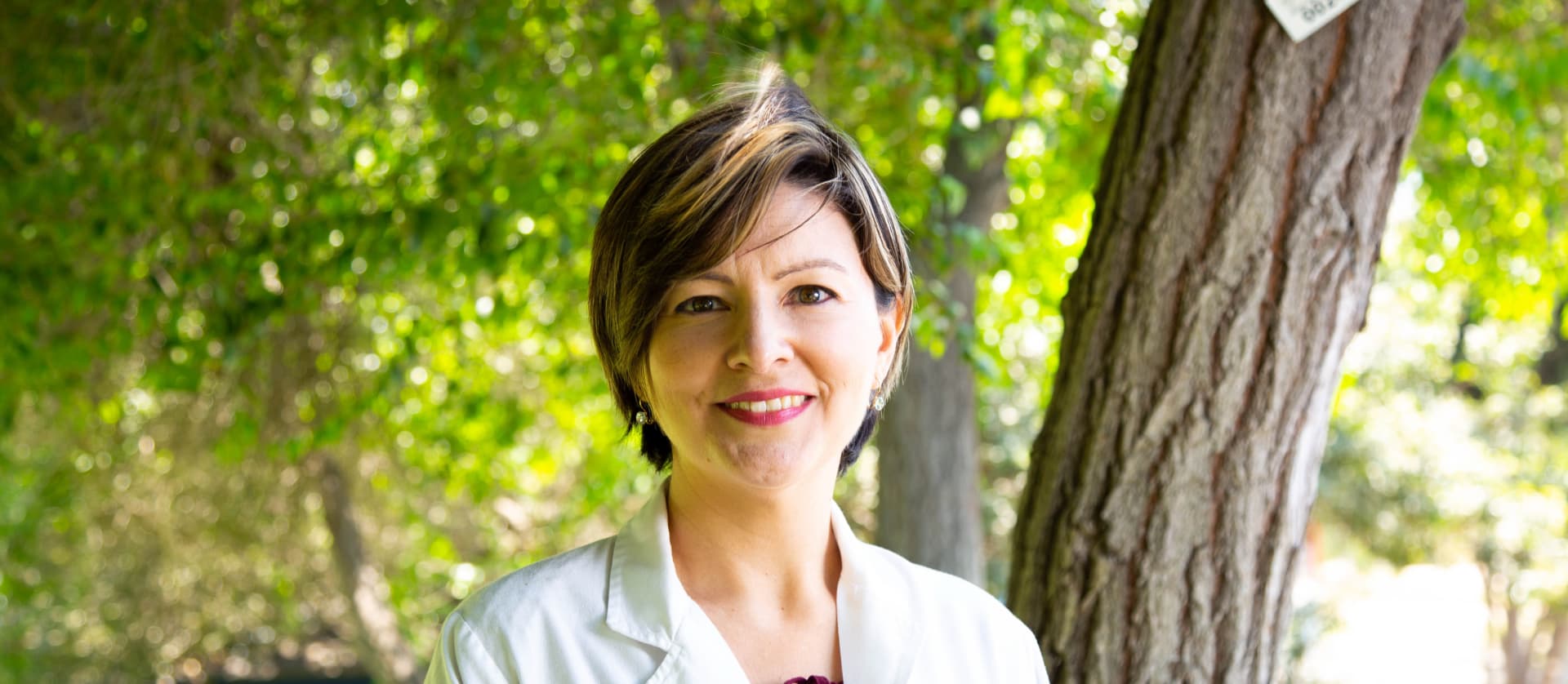
Welcome to the MS Center of Excellence
located in Foothills Neurology, Phoenix AZ.
Multiple sclerosis (MS) is an unpredictable, often disabling disease of the central nervous system that disrupts the flow of information within the brain, and between the brain and body.

Tanvir Kholsa ( MD)
Dr. Tanvir Khosla was raised in Phoenix, Arizona, and earned his undergraduate degree in Biological Sciences from Arizona State University. A personal loss led him to pursue a career in medicine, ultimately finding his calling in Neurology. He received his medical degree from St. George’s University and completed clinical rotations in New York, where his interest in neurological disorders deepened.
He completed his neurology residency as part of the inaugural class at Southern Hills Hospital in Las Vegas, where he played a key role in shaping the new program and developed a strong passion for mentorship. He then completed a subspecialty fellowship in Clinical Neurophysiology with a focus on electrodiagnostic testing in the field of neuromuscular and epilepsy at the University of California, Davis. Dr. Khosla is board certified with the American Board of Psychiatry and Neurology (ABPN)
Now back in his hometown of Phoenix, Dr. Khosla is excited to bring his specialized training and passion for Neurology to the community that shaped him. He is committed to delivering exceptional, patient-centered neurological care with a deep sense of purpose and connection.
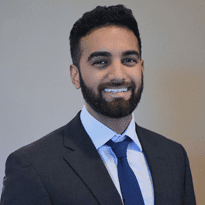
Sami Kaldawi (MD/ DO)
Dr. Kaldawi is a board certified neurologist specializing in both neuromuscular medicine and electromyography/ nerve conduction studies. He graduated medical school at Touro University Nevada and completed residency and fellowship at Barrows Neurologic Institute. Outside of work, he enjoys playing and watching all kinds of sports and spending time with family.
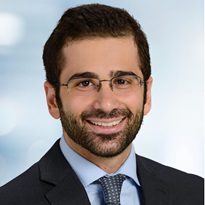
Dr. Jasmine Pascoe
Dr. Jasmine Pascoe is a Board Certified Neurologist with specialty fellowship training in Autoimmune Neurology. She grew up in Oklahoma and completed her undergraduate studies at Rice University in Houston, Texas. She stayed in Houston to complete her medical degree and neurology residency at Baylor College of Medicine. She then went to University of Utah to complete her fellowship in Autoimmune Neurology, focusing on the diagnosis and mangement of all the conditions that can manifest from a dysfunctional immune system.
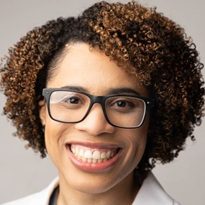
Scot Fechtel, MD
Dr. Fechtel started his career in Chiropractic Orthopedics graduating from Western States Chiropractic College. After practicing in chiropractic for 12 years, he went back to medical school at Oregon Health Sciences University. He completed his neurology residency at University of Arizona School of Medicine, and then worked in private practice in Springfield, Oregon before joining Foothills Neurology in 2006.
Dr. Fechtel is currently working part-time as a consultant in Medical Neurology and Chiropractic Orthopedics with Medical Evaluations of Alaska. He sees Foothills Neurology patients at the Ahwatukee office.

Jessica Grady, MS, CCC-SLP, CBIS
Jessica (Formally Jessica Hill, AGNP) is a board-certified Adult-Gerontology Nurse Practitioner with a robust background in nursing and specialized neurological care. She earned her Bachelor of Science in Nursing from East Carolina University in 2014 and a Master of Science in Nursing from Duke University School of Nursing in 2023, focusing on Adult Gerontology. Jessica has over eight years of experience working as a Registered Nurse and two years as a Nurse Practitioner treating movement disorders, migraines/headaches, demyelinating and autimmune conditions, cognitive and memory disorders, and cerebrovascular accidents.

Karla Lorincy, FNP
Karla Lorincy joined Foothills Neurology as a Nurse Practitioner after years of experience in nursing, including working with Foothills Neurology as an Infusion Nurse. Karla graduated with honors from Grand Canyon University with a Masters of Science Nursing – Family Nurse Practitioner, and also holds degrees in Project Management and Kinesilogy from Northern Arizona University. Karla brings a deep commitment to excellence in patient care, and Foothills Neurology is proud to have her providing neurologic care to our patients.

Cami Denning, FNP-BC
Cami Denning is a compassionate and dedicated Nurse Practitioner with a diverse background in nursing, including experience in inpatient neurological rehabilitation, TMJ dysfunction, home health, and exposure to therapeutic procedures like intramuscular and joint injections of Botox, Ortho Biologics, and PRP injections. Provides care with a patient-centered approach, and passion for holistic care to provide high-quality healthcare as a Nurse Practitioner.

Christine Simons PAC
An Ahwatukee native, Christine received her undergraduate degrees in genetics, psychology, and sociology from Arizona State University. She went on to graduate with a Master of Medical Science in Physician Assistant Studies from Midwestern University in Glendale, Arizona.
Christine currently sees Foothills Neurology patients at the Ahwatukee office.

Multiple Sclerosis Association of America
Many effective medications are available for the treatment of multiple sclerosis (MS). These types of drugs may be prescribed for three different categories of MS treatment. The first area of treatment is to slow MS activity and progression; the second area is to reduce the severity and duration of a relapse, and the third area is to treat the symptoms of MS individually. All of these medications are prescribed by a physician – usually a neurologist who specializes in MS. Individuals considering a change to their present treatment regimen should always consult their physician.
Multiple Sclerosis Foundation
Multiple sclerosis (MS) was first described by French neurologist Jean-Martin Charcot in 1868. Yet, after more than 140 years of research into the disease, much remains a mystery. There is no known cause, and as yet, no cure. However, there are treatments that can slow the progress of the disease and manage the symptoms, and new research is expanding our understanding of this unpredictable illness.
The Barrow Neurological Institute
Disease Patterns
In addition, not all people experience the same pattern of MS progression. There are four categories that describe the typical ways in which MS evolves over time.
Relapsing-remitting MS (RRMS)
This is the most common form of MS (85% of all cases) and is characterized by times of active inflammation—often called flare ups, exacerbations, or relapses—followed by periods where you may experience little or no discomfort.
Secondary-progressive MS (SPMS)
SPMS describes a case of progressive MS that develops after (or secondary to) a primary relapsing-remitting course. Most cases of RRMS will eventually evolve into SPMS.
Primary-progressive MS (PPMS)
About 10% of people with MS are diagnosed with PPMS. PPMS is characterized by symptoms that worsen slowly and gradually. There may be brief periods of improvement, but the general course of the disease is defined by decreasing functionality.
Progressive-relapsing MS (PRMS)
This is the least common of the four subtypes of MS. PRMS combines the progressive features of PPMS with occasional relapses over time. Recovery after an attack is sometimes, but not always noted.
Arizona Chapter of the National MS Society
The National MS Society is working toward a world free of MS. We mobilize people and resources to drive research for a cure and to address the challenges of everyone affected by MS.
MultipleSclerosis.net
At MultipleSclerosis.net we empower patients and caregivers to take control of MS by providing a platform to learn, educate, and connect with peers and healthcare professionals.